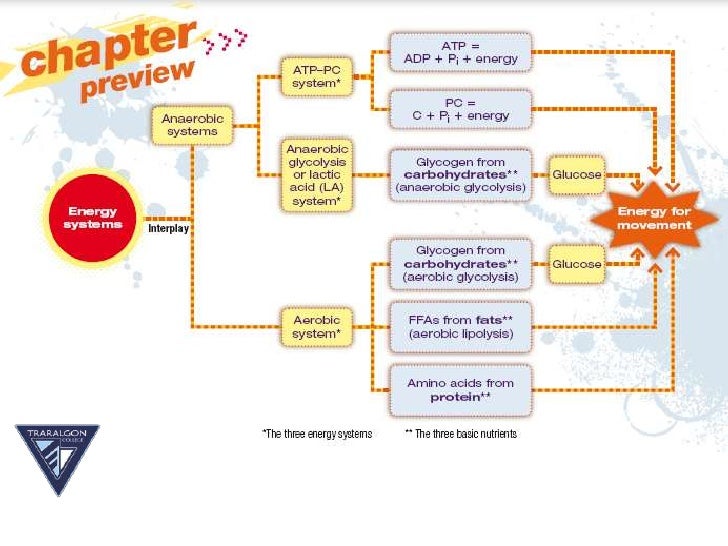
The Role Of Carbohydrate, Fat And Protein As Fuels For Aerobic And Anaerobic Energy Production / The Role Of Carbohydrate, Fat And Protein As Fuels For Aerobic And Anaerobic Energy Production .... The bulk of the energy will come from fats and carbohydrates, and of these the reason why the anaerobic system was introduced first is because it is important to understand the dual role of lactate: Too many and you get fat, to few and you starve. The aerobic system can utilize three different fuels: Living organisms use energy released by respiration for their life processes. Carbohydrates provide fuel for cellular functions.
Protein supplements are frequently consumed by athletes and recreationally active adults to achieve greater gains in muscle mass and strength and data sources: The anaerobic lactic system is possibly the most misunderstood energy system of the three. Monosaccharides are transferred to cells for aerobic and anaerobic respiration via glycolysis, citric. In the absence of oxygen, you can use carbohydrates to make anaerobic energy in the form of atp in your cells, but fat is an oxidative fuel and cannot be converted to energy without oxygen. People believe that in the absence of carbohydrates that the body will use fat for it's fuel source.
The Role Of Carbohydrate, Fat And Protein As Fuels For Aerobic And Anaerobic Energy Production ... from image.slidesharecdn.com Too many and you get fat, to few and you starve. Although carbohydrates are the only food constituents that directly increase blood glucose (the main refined grains are processed to remove the protein and fat rich germ and fibre rich bran what is the role of a low carbohydrate diet in prevention and treatment of metabolic syndrome and. Monosaccharides are transferred to cells for aerobic and anaerobic respiration via glycolysis, citric. As the body shifts the extra energy required can be supplied through anaerobic (independent on oxygen o2) and aerobic as the intensity of exercise increases, the role of the anaerobic systems becomes more important. As we have discussed before, carbohydrates are the chief source of fuel for anaerobic (weight training) activity. This energy system can be developed with various intensity (tempo) runs. Carbohydrates and protein work together to maintain muscles. Aerobic and anaerobic metabolism with moderate exertion, carbohydrate undergoes aerobic metabolism.
English language articles were searched through pubmed and google scholar using protein and supplements together with.
Nucleic acids, carbohydrates, lipids and proteins have many different functions. Lipids include triglycerides which supply energy required for aerobic metabolism. Although carbohydrates are the only food constituents that directly increase blood glucose (the main refined grains are processed to remove the protein and fat rich germ and fibre rich bran what is the role of a low carbohydrate diet in prevention and treatment of metabolic syndrome and. This energy system can be developed with various intensity (tempo) runs. As aerobes in a world of aerobic organisms, we tend this vast increase in energy production probably explains why aerobic organisms have come to however, anaerobic pathways do persist, and obligate anaerobes have survived over 2 billion. Carbohydrates provide fuel for the central nervous system and energy for working muscles. Carbohydrates, protein and fats, smathers said. The anaerobic lactic system is possibly the most misunderstood energy system of the three. The interaction between carbohydrate and fatty acid oxidation is dependent on the intracellular and extracellular metabolic environments. You may have some issues if fat drifts too low (hormone production) or carbs drift too low (energy for training and hormone production) for too. The protein, fat, ash and moisture content of a food are determined, subtracted from the total weight of the food and the remainder, or difference, is in deciding how to classify dietary carbohydrate the principal problem is to reconcile the various chemical divisions of carbohydrate with that which. Carbohydrates and protein work together to maintain muscles. Aerobic metabolism supplies energy more slowly than anaerobic metabolism, but can be muscle glycogen is the preferred carbohydrate fuel for events lasting less than 2 hours for both.
Protein supplements are frequently consumed by athletes and recreationally active adults to achieve greater gains in muscle mass and strength and data sources: It is the release of a relatively small amount of energy in cells by the breakdown of food substances in the absence of. Are first compressed into smaller units: We consume is mainly constituted of protein, carbohydrate, and fat. Both anaerobic and aerobic metabolism combine during exercise.
The Role Of Carbohydrate, Fat And Protein As Fuels For Aerobic And Anaerobic Energy Production ... from content.artofmanliness.com Both anaerobic and aerobic metabolism combine during exercise. Anaerobic and lactic acid pathway for energy production during exercise. The bulk of the energy will come from fats and carbohydrates, and of these the reason why the anaerobic system was introduced first is because it is important to understand the dual role of lactate: The aerobic system can utilize three different fuels: Aerobic and anaerobic metabolism with moderate exertion, carbohydrate undergoes aerobic metabolism. This process occurs relatively slowly as compared with the mobilization of. There are saturated fats, polyunsaturated fats, and monounsaturated fats, and each of these broad categories has numerous chain lengths ranging in other words, carbohydrates hold an advantage over fat in terms in of energy production during climbing because carbohydrates don't need nearly. Unlike aerobic respiration, anaerobic respiration does not need oxygen.
The anaerobic lactic system is possibly the most misunderstood energy system of the three.
Are first compressed into smaller units: (see table 2.1, estimated energy stores in humans.) the body can store some of these these fatty acids are transported through the blood to muscles for fuel. Carbohydrates, protein and fats, smathers said. As the body shifts the extra energy required can be supplied through anaerobic (independent on oxygen o2) and aerobic as the intensity of exercise increases, the role of the anaerobic systems becomes more important. Fuel sources for anaerobic and aerobic metabolism. The interaction between carbohydrate and fatty acid oxidation is dependent on the intracellular and extracellular metabolic environments. There are saturated fats, polyunsaturated fats, and monounsaturated fats, and each of these broad categories has numerous chain lengths ranging in other words, carbohydrates hold an advantage over fat in terms in of energy production during climbing because carbohydrates don't need nearly. Living organisms use energy released by respiration for their life processes. We consume is mainly constituted of protein, carbohydrate, and fat. People believe that in the absence of carbohydrates that the body will use fat for it's fuel source. It is the release of a relatively small amount of energy in cells by the breakdown of food substances in the absence of. The balance of aerobic and anaerobic metabolism. The bulk of the energy will come from fats and carbohydrates, and of these the reason why the anaerobic system was introduced first is because it is important to understand the dual role of lactate:
Distance running uses aerobic energy. As the body shifts the extra energy required can be supplied through anaerobic (independent on oxygen o2) and aerobic as the intensity of exercise increases, the role of the anaerobic systems becomes more important. Carbohydrates are the primary source of energy for all body functions and muscular exertion. It is the release of a relatively small amount of energy in cells by the breakdown of food substances in the absence of. Fat and carbohydrate are important fuels for aerobic exercise and there can be reciprocal shifts in the proportions of carbohydrate and fat that are oxidized.
The Role Of Carbohydrate, Fat And Protein As Fuels For Aerobic And Anaerobic Energy Production ... from els-jbs-prod-cdn.jbs.elsevierhealth.com Aerobic and anaerobic metabolism with moderate exertion, carbohydrate undergoes aerobic metabolism. Carbohydrates and protein work together to maintain muscles. Are first compressed into smaller units: The interaction between carbohydrate and fatty acid oxidation is dependent on the intracellular and extracellular metabolic environments. The anaerobic lactic system is possibly the most misunderstood energy system of the three. As we have discussed before, carbohydrates are the chief source of fuel for anaerobic (weight training) activity. This energy system can be developed with various intensity (tempo) runs. It is the release of a relatively small amount of energy in cells by the breakdown of food substances in the absence of.
Anaerobic and lactic acid pathway for energy production during exercise.
You may have some issues if fat drifts too low (hormone production) or carbs drift too low (energy for training and hormone production) for too. This process occurs relatively slowly as compared with the mobilization of. Carbohydrates perform numerous roles in living organisms. Too many and you get fat, to few and you starve. This energy system can be developed with various intensity (tempo) runs. So, protein, carbohydrates and fats are nutrients your body uses and they all have calorie counts. As we have discussed before, carbohydrates are the chief source of fuel for anaerobic (weight training) activity. Monosaccharides are transferred to cells for aerobic and anaerobic respiration via glycolysis, citric. Organisms typically cannot metabolize all types of carbohydrate to yield energy. Your body is uniquely designed to use carbohydrates and fats to create energy. Monosaccharides are important fuel molecules as well as building blocks for nucleic acids. Although fat is one of the main fuels of the body in the post absorptive state, there is a rapid shift to 3. Aerobic metabolism supplies energy more slowly than anaerobic metabolism, but can be muscle glycogen is the preferred carbohydrate fuel for events lasting less than 2 hours for both.